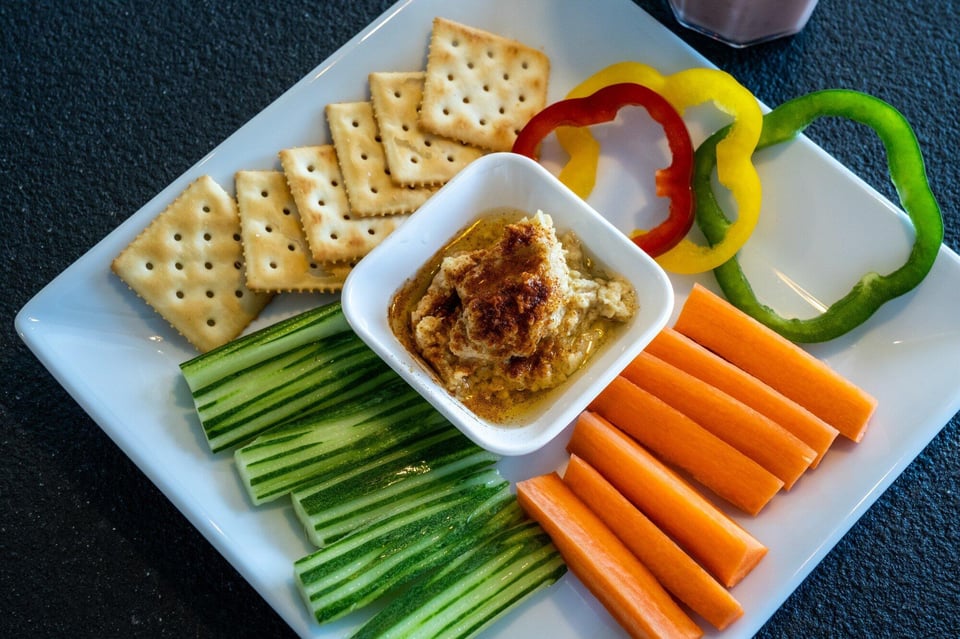
Some high-fiber snacks to add to your shopping list include fresh fruit, nuts and seeds, whole-grain crackers, and yoghurt with added fiber-rich toppings.
As we age, maintaining steady energy levels and mental focus becomes more important and sometimes more challenging. Blood sugar fluctuations, digestive changes, and reduced appetite can all affect how we feel throughout the day.
One powerful (and often overlooked) solution is fiber. High-fiber snacks do more than support digestion; they help stabilize energy, sharpen focus, and promote overall well-being for aging adults in Manitowoc, WI.
Choosing the right fiber-rich snacks can make a noticeable difference in how energized, alert, and satisfied you feel between meals.
Why Fiber Matters More With Age
Fiber plays several essential roles in the body, especially for older adults:
- Stabilizes Blood Sugar: Slows digestion and prevents energy crashes
- Supports Brain Health: Promotes consistent glucose delivery to the brain
- Improves Digestion: Helps prevent constipation and supports gut health
- Supports Heart Health: Helps manage cholesterol levels
- Enhances Satiety: Reduces overeating and supports healthy weight management
As metabolism and digestion naturally slow with age, fiber helps keep systems running smoothly while providing long-lasting energy.
Fiber and Focus - How They Are Related
Unlike refined carbohydrates that cause quick spikes and crashes, fiber slows the absorption of sugars into the bloodstream. This leads to:
- More consistent energy throughout the day
- Better concentration and mental clarity
- Fewer afternoon slumps
When paired with protein or healthy fats, fiber becomes even more effective at sustaining both physical and mental performance.
Top High-Fiber Snacks for Aging Adults
There are many high-fiber snack options available in the grocery store. Here are some to purchase next time you go shopping:
1. Fresh Fruit With Natural Fiber
Fruits are easy to eat, naturally sweet, and rich in fiber and antioxidants.
Great choices include:
- Apples (with skin)
- Pears
- Berries
- Oranges
Pair fruit with a small portion of nuts or yogurt to balance blood sugar and extend energy.
2. Nuts and Seeds
Nuts and seeds provide fiber, healthy fats, and protein, making them ideal for sustained energy.
High-fiber options:
- Almonds
- Pistachios
- Chia seeds
- Flaxseeds
They are also brain-boosting foods thanks to omega-3s and vitamin E.
3. Whole Grain Crackers or Toast
Whole grains contain complex carbohydrates and fiber that fuel the brain and muscles.
Look for:
- Whole wheat or rye crackers
- Oat-based crispbreads
- High-fiber bread
Top with nut butter, hummus, or avocado for added senior-friendly nutrition.
4. Yogurt With Fiber Add-Ins
While yogurt itself is low in fiber, adding fiber-rich toppings turns it into a powerful snack.
Try adding:
- Berries
- Ground flaxseed
- Chia seeds
- High-fiber granola
This combination supports digestion, energy, and gut health.
5. Vegetables With Dips
Raw or lightly cooked vegetables are fiber-dense and low in calories.
Excellent options include:
- Carrot sticks
- Bell peppers
- Cucumbers
- Cherry tomatoes
Pair with hummus, bean dip, or Greek yogurt-based dips for sustained energy.
6. Oat-Based Snacks
Oats are rich in soluble fiber, which helps stabilize blood sugar and support heart health.
Snack ideas:
- Overnight oats
- Oatmeal energy bites
- Baked oat bars with minimal sugar
Oats are especially helpful for morning or afternoon focus.
7. Legume-Based Snacks
Beans and lentils are fiber powerhouses that also provide protein.
Easy snack ideas:
- Roasted chickpeas
- Bean dips
- Lentil spreads
These snacks are especially satisfying and help prevent energy dips.
Fiber and Brain Health: A Strong Connection
Emerging research suggests that gut health plays a role in brain function. Fiber feeds beneficial gut bacteria, which produce compounds that support inflammation control and cognitive health. A healthy gut environment may contribute to:
- Improved mood
- Better concentration
- Reduced brain fog
This gut-brain connection makes fiber especially valuable for aging adults concerned about mental sharpness.
How Much Fiber Do Aging Adults Need?
General guidelines suggest:
- Women over 50: About 21 grams per day
- Men over 50: About 30 grams per day
Most adults fall short of these targets. Adding high-fiber snacks between meals is one of the easiest ways to close the gap.
Tips for Adding Fiber Without Discomfort
Sudden increases in fiber can cause bloating or gas. To avoid discomfort:
- Increase fiber gradually
- Drink plenty of water
- Spread fiber intake throughout the day
- Combine fiber with protein or fats
Listening to your body helps make fiber a sustainable habit.
Make Smart Snacks for Seniors a Daily Routine
The key to success is consistency, not perfection. Keeping fiber-rich snacks readily available in your assisted living apartment, like pre-cut fruits, portioned nuts, or prepared dips, makes healthy choices easier. Over time, these small healthy aging habits can lead to improved energy, sharper focus, and better digestive comfort.
Frequently Asked Questions
Why Is Fiber Important For Energy In Older Adults?
Fiber helps stabilize blood sugar levels, preventing the spikes and crashes that cause fatigue. This leads to more consistent energy and improved focus throughout the day.
Can High-Fiber Snacks Help With Brain Fog?
Yes. By promoting steady glucose delivery to the brain and supporting gut health, fiber can help reduce brain fog and improve mental clarity.
What Are The Best High-Fiber Snacks For Sensitive Digestion?
Soft fruits, oats, chia seeds, and cooked vegetables are often gentler on digestion. Introducing fiber slowly helps minimize discomfort.
Should Fiber Be Paired With Other Nutrients?
Absolutely. Pairing fiber with protein or healthy fats enhances satiety and energy stability while supporting muscle and brain health.
Can Too Much Fiber Be Harmful?
Excessive fiber without adequate hydration can cause bloating or constipation. Balance and gradual increases are key.
Are Fiber Supplements Better Than Fiber-Rich Foods?
Whole foods are preferred because they provide vitamins, minerals, and antioxidants. Supplements may help when dietary intake is insufficient, but food should come first.
When Is The Best Time To Eat High-Fiber Snacks?
Mid-morning and mid-afternoon are ideal times. Fiber-rich snacks help prevent energy dips and maintain focus between meals.
Senior-Friendly Nutrition Should Include High-Fiber Snacks
It's important to start rethinking your nutritional needs as you get older. High-fiber snacks should be at the top of your list when going shopping or eating out at restaurants.
At LakeHouse Manitowoc, we offer baking and cooking classes to our residents (in addition to the chef-prepared meals served three times a day), so you can learn how to make fiber-rich snacks for yourself when feeling peckish.
Schedule a tour of our community and see if our amenities and services are a fit for your needs.