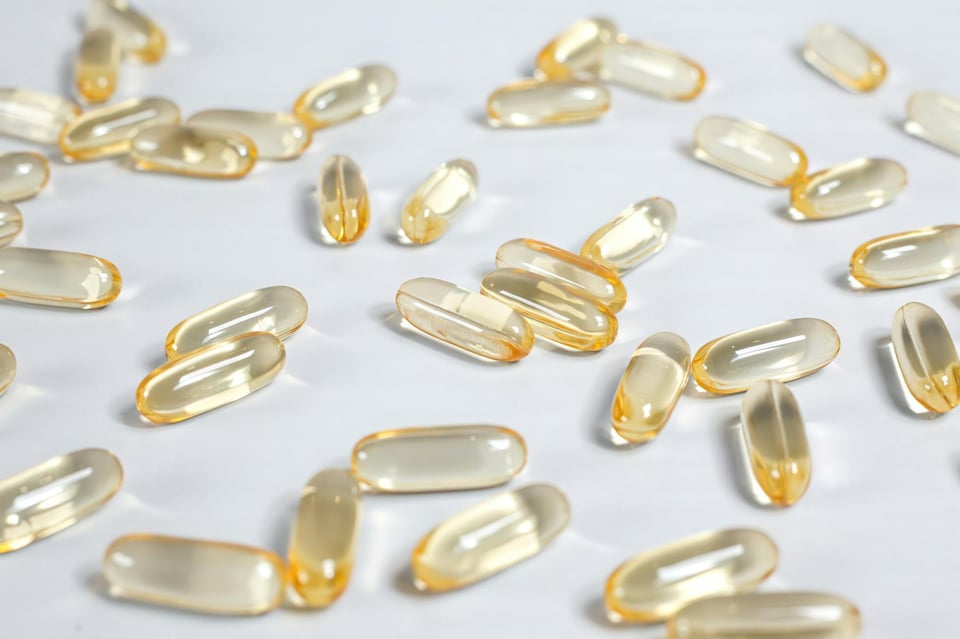
The best vitamins for your brain include vitamins D, E, and specific B vitamins. All of them play a crucial role in memory, cognitive function, and overall brain health.
Familiarizing yourself with these essential nutrients for graceful aging and brain health is particularly crucial, given that many Americans, including older adults, are at risk of or already have nutritional deficiencies.
An article published by the University of Miami in October 2025, for instance, notes that almost two-thirds of adults in the U.S. have vitamin D insufficiency or deficiency.
The caring experts at LakeHouse Manitowoc, our assisted living community in Manitowoc, WI, the city known as Wisconsin's "Maritime Capital" and sought after for its scenic Lake Michigan location, will share insights into brain nutrition for seniors in this guide.
What Are the Best Vitamins for Your Brain?
All vitamins are crucial micronutrients that act as catalysts, making them essential for overall senior health and wellness. As catalysts, they speed up chemical reactions in the body needed for functions like energy production, immunity, cell growth, and tissue generation.
There are, however, several vitamins that directly impact brain function and health, including specific vitamins from the B complex and vitamins D and E.
Eight B vitamins collectively form the vitamin B complex (1, 2, 3, 5, 6, 7, 8, and 12). Of these micronutrients, B1, B6, B9, and B12 are among the most crucial vitamins for clarity, cognitive function, and overall brain health.
As a study published in ScienceDirect points out, there's a possible link between higher intakes of dietary B vitamins and a lower prevalence of cognitive impairment in older U.S. adults.
Vitamin B1
Vitamin B1, also referred to as "thiamin" or "thiamine," serves as a vital coenzyme in the metabolism of glucose, helping the body produce energy (adenosine triphosphate or ATP) for neurons. Coenzymes are substances that bind to enzymes and assist in the catalyzation of biochemical reactions.
Vitamin B1 helps maintain the integrity of nerve membranes. It also supports optimal neurotransmitter synthesis, a critical process that regulates cognitive functions, behaviors, and moods.
Vitamin B6
Also called pyridoxine, vitamin B6, in its coenzyme form, performs many tasks in the body, with involvement in over 100 enzyme reactions, according to the National Institutes of Health. It plays roles in cognitive development, with poor or low levels hypothesized to have a connection with cognitive decline.
Vitamin B9
Vitamin B9, also known as folic acid or folate, supports cognitive function and mental energy. It helps regulate moods by triggering the production of feel-good neurotransmitters like dopamine and serotonin.
Vitamin B12
Vitamin B12, or cobalamin, supports brain health and function by helping maintain the structural integrity of myelin. Since myelin is the protective sheath that surrounds nerve fibers, it must be in good condition to help ensure efficient nerve signal transmission.
Vitamin B12 also helps in the production of feel-good hormones like dopamine and serotonin.
Vitamin D
The primary role of vitamin D or calciferol is to help your body absorb calcium from food. Without enough vitamin D in your system, you're at risk of developing bone brittleness and muscle weakness, making it harder to avoid or prevent falls.
Vitamin D is equally crucial to memory and brain health since it helps shield neurons (nerve cells), including those in the brain, from age-related decline, stress, and injury.
Vitamin E
Vitamin E or tocopherol is an antioxidant that plays many roles, from regulating the immune system to protecting the cells. According to Mayo Clinic, some studies also show that high-dose vitamin E may slow down the progression of mild to moderate Alzheimer's.
What Is the Fastest Way to Improve Brain Function?
There's no single "fastest" way to improve brain function, as preserving or achieving optimal cognitive health requires a multi-faceted approach.
A critical step to keeping your gray matter in top condition is to focus on a brain-healthy diet. You can, for instance, go with the Mediterranean diet, whose emphasis is on healthy fats and plant-based foods (veggies, fruits, and whole grains).
Engaging in regular physical activity is also crucial for keeping your brain healthy. The more you move, the more oxygen and nutrient-rich blood flows into your brain.
Cognitive stimulation, such as through mental games, continued education (e.g., learning a new skill or craft), and social engagement, can also help strengthen your brain.
Frequently Asked Questions
Should You Take Cognitive Support Supplements?
Whether you should consider taking cognitive support supplements depends on your dietary habits.
Most brain vitamins are in healthy foods and beverages. If you eat a well-balanced diet, you may already be getting enough of these nutrients and may not need additional supplements.
Is There a Vitamin That Cuts Dementia Risk?
Based on research, there's a connection between vitamins D and K and a lower probability of dementia or mild cognitive impairment (MCI).
According to the U.S. Department of Agriculture (USDA), one study associated higher vitamin K concentrations in the brain with a 17% to 20% decreased odds of dementia or MCI. The test results also found an association between higher vitamin D concentrations in the brain and a 25% to 33% reduced odds.
How Much Physical Activity Is Good for the Brain?
Regular physical activity benefits your entire body (from head to toe). The U.S. CDC also says it can improve signs of brain health and functions like thinking and memory.
To reap those benefits, set a target of at least 150 minutes of exercise (moderate intensity) every week. You can also switch to and complete a weekly 75 minutes of vigorous activity.
Keep Your Brain Healthy With Vitamins and Healthy Lifestyle Habits
Vitamins B1, B6, B9, B12, D, and K are some of the best vitamins for your brain. By focusing on a healthy, well-balanced diet, you can get enough of these nutrients. For best results, combine this with regular physical activity and mental stimulation.
LakeHouse Manitowoc is ready to help you thrive in both mind and body. Here, expect delicious and nutritious daily meals and a dedicated personal care and wellness team available 24/7.
We also have an active social calendar packed with engaging activities, from exercise classes to cooking sessions, art workshops, and musical performances. A well-stocked library, a wellness center, a hair salon, and stunning gardens are just some of our other on-site amenities.
Speak with us today to book a tour of our pet-friendly assisted living community in Manitowoc, WI!